World News & Lifestyle Stories That Matter
Stay updated with breaking news, trending stories, travel insights, and everyday lifestyle tips — all in one place.
> Global Flight Disruptions in 2026: How the Jet Fuel Crisis Is Reshaping Air Travel || Airlines Cut Thousands of Flights Amid 2026 Fuel Shortage
Jet Fuel Crisis 2026: The Airlines Cancelling Flights and What It Means for Travelers
The global aviation industry is facing a growing challenge in 2026 as a sharp jet fuel shortage begins to ripple across continents. Triggered by geopolitical tensions and supply chain disruptions, the crisis has forced airlines to make difficult decisions—cutting routes, reducing capacity, and cancelling thousands of flights.
Despite alarming headlines, this is not a complete shutdown of global air travel. Instead, what we’re seeing is a strategic pullback, with airlines focusing on profitability and efficiency while navigating rapidly rising fuel costs.
Why Is There a Jet Fuel Crisis?
At the heart of the issue is a sudden spike in jet fuel prices, driven largely by instability in key oil-producing regions. Supply routes have been disrupted, refining capacity is strained, and demand has remained strong as global travel continues to recover.
Fuel is one of the largest operating costs for airlines. When prices surge this quickly, carriers are left with limited options: raise fares, absorb losses, or reduce operations. Most are choosing a combination of all three.
Airlines Cutting Flights Worldwide
Across Europe, North America, and Asia-Pacific, airlines have begun scaling back:
- Major European carriers are cutting tens of thousands of short-haul flights, especially on less profitable regional routes.
- North American airlines are trimming off-peak services and suspending select international routes.
- Low-cost carriers are reducing frequency and, in some cases, exiting specific markets altogether.
- In Asia-Pacific, several airlines have announced capacity reductions of up to 10%, along with fuel surcharges.
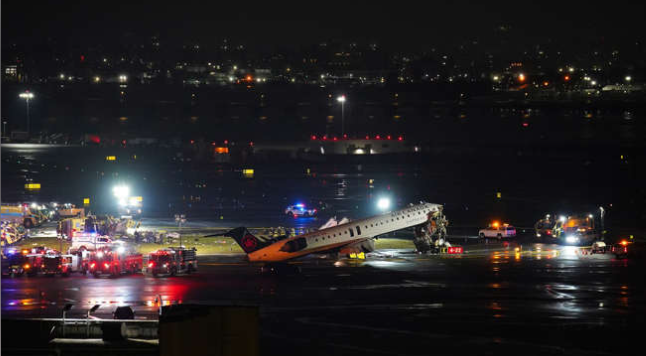
○ Inside the 2026 Airline Fuel Crisis
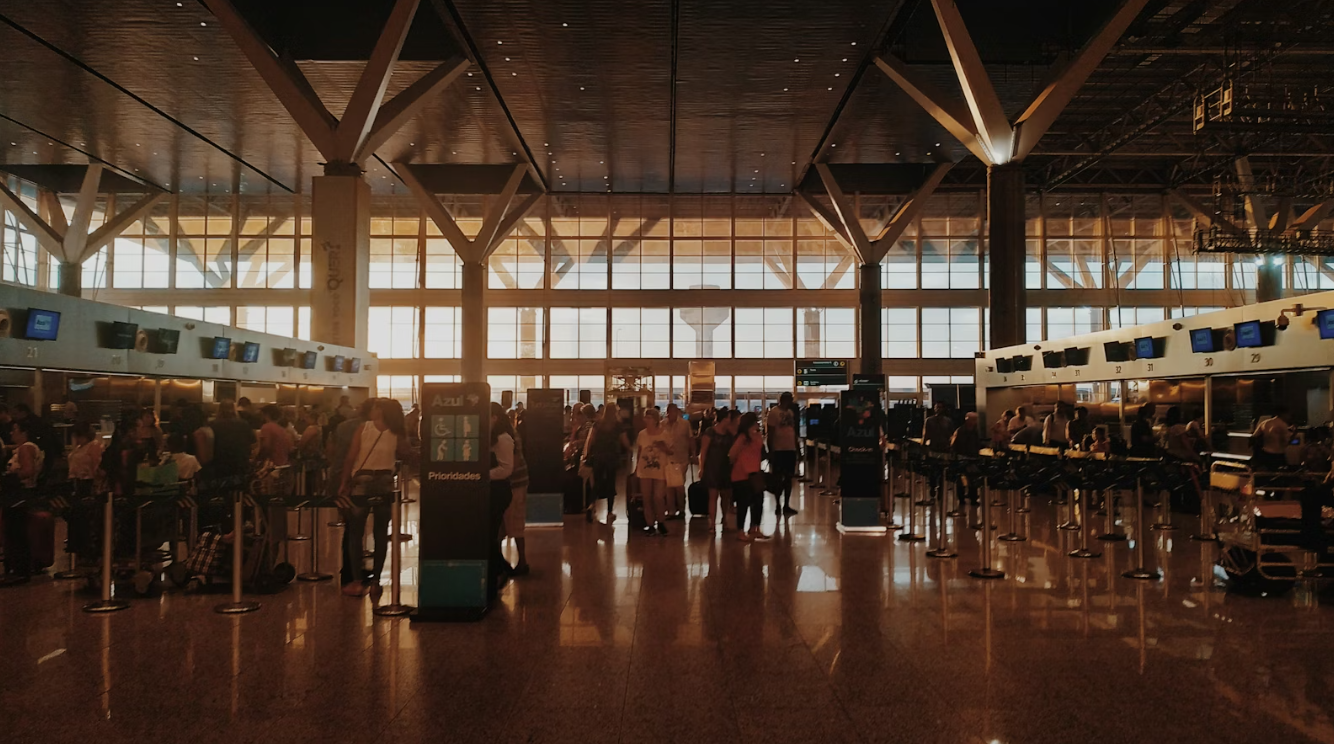
○ Flights Are Being Cancelled Worldwide
What Travelers Are Experiencing
For passengers, the impact is uneven but noticeable:
- More cancellations and schedule changes Flights may be cancelled weeks—or even days—before departure.
- Higher ticket prices Fuel surcharges and reduced seat availability are pushing fares upward.
- Reduced flexibility Fewer daily flights on popular routes mean limited rebooking options.
- Longer travel times Some routes now require connections where direct flights once existed.
Which Routes Are Most at Risk?
Not all flights are equally affected. The most vulnerable routes tend to be:
- Short-haul flights with thin profit margins
- Redundant routes with multiple daily frequencies
- Seasonal or leisure-heavy destinations
- Long-haul routes with lower demand
What You Should Do as a Traveler
If you have upcoming travel plans, a few precautions can make a big difference:
- Monitor your flight regularly for schedule changes
- Book earlier flights in the day, which are less likely to be cancelled
- Avoid tight connections, especially on reduced schedules
- Consider travel insurance for added protection
- Be flexible with dates and routes if possible
Staying informed is key, as airline schedules are being adjusted frequently.
The Bigger Picture
While the jet fuel crisis is disruptive, it’s also a reminder of how sensitive global travel is to energy markets. Airlines are resilient, but their margins are thin, and shocks like this force rapid adjustments.
For now, travelers should expect a period of higher prices and occasional inconvenience—but not the collapse of air travel. The skies are still busy, just a bit more carefully managed.
Watch for Top 5s of Today!




Highlights